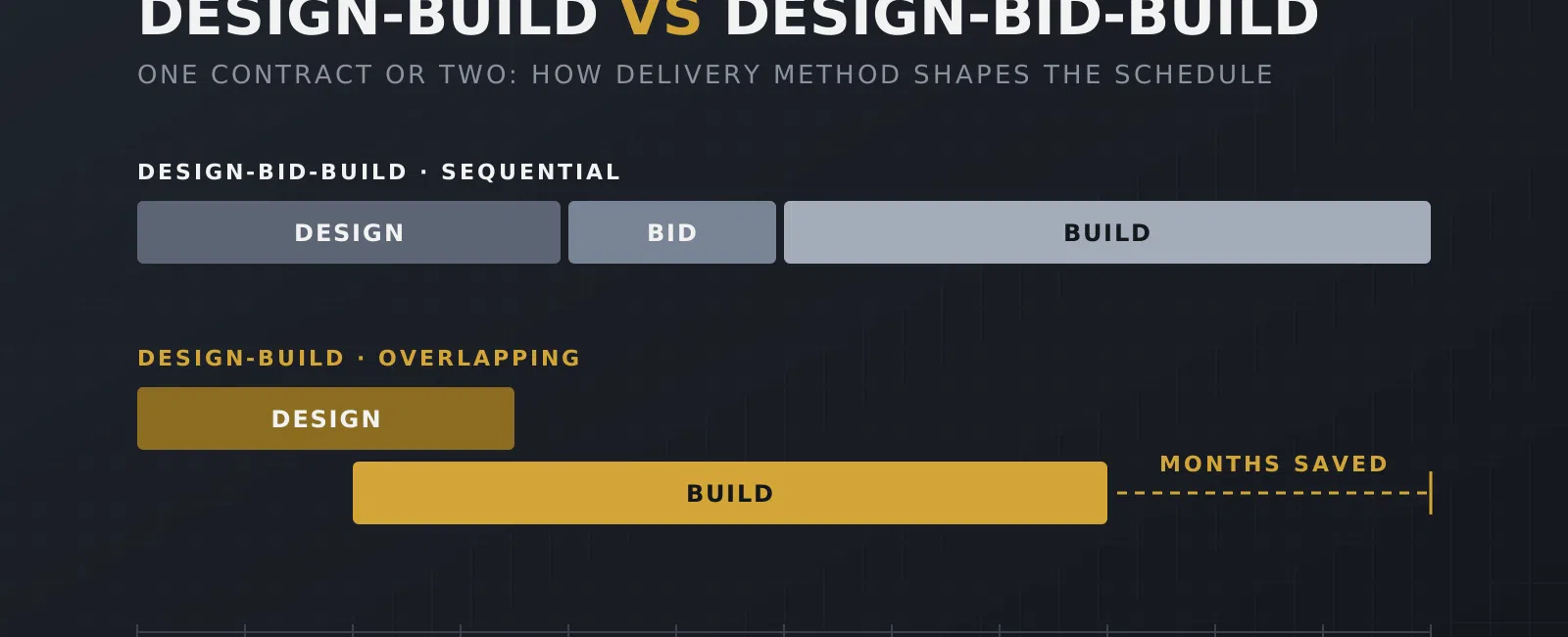
Design-build vs. design-bid-build is a choice between one contract and two. In design-build, the owner hires a single firm to handle both design and construction, so construction can begin before the drawings are complete and one party is responsible for the whole project. In design-bid-build, the owner hires an architect to finish the drawings first, then bids the work to general contractors, which produces competitive pricing on a fixed scope but adds months to the schedule and leaves the owner responsible for any design gaps. The right delivery method depends on how settled your design is, how fast you need to open, and how much risk you want to carry after the contract is signed.
What Is Design-Bid-Build?
Design-bid-build is the traditional project delivery method, and it runs in three sequential steps. The owner contracts with an architect and engineering team to produce a full set of construction documents. Those documents go out to bid, general contractors price them, and the owner awards the construction contract, usually to the lowest qualified bidder. Construction starts only after that award.
The appeal is clarity. Every bidder prices the same drawings, so the owner gets an apples-to-apples comparison and a contract price tied to a defined scope. Public agencies have relied on this method for decades because it is transparent and easy to defend in a procurement file.
The drawback is the handoff. The contractor sees the design for the first time at bid, after every major decision has already been made. If the drawings miss a coordination conflict between structural and mechanical, or specify equipment with a twenty-week lead time, the owner finds out during construction through a change order.
What Is Design-Build?
Design-build puts design and construction under one contract. The owner hires a design-build firm, which either employs the architects and engineers directly or brings them on as subconsultants. That team develops the design with construction cost, sequencing, and procurement in view from the first meeting.
Because one firm controls both sides, design and construction can overlap. Site work and foundations can be permitted and started while interior finishes are still being drawn. Pricing gets refined as the design develops instead of arriving all at once on bid day. And when something goes wrong, the owner has one phone call to make instead of refereeing between an architect and a contractor who each insist the problem belongs to the other.
Key Differences Between Design-Build and Design-Bid-Build
The names make these methods sound like scheduling preferences. In practice, they decide where risk sits and when you actually know what the building will cost.
Single-Point Responsibility vs Divided Accountability
In design-bid-build, the owner holds two separate contracts and sits between them. Under a long-standing legal principle known as the Spearin doctrine, an owner who furnishes plans to a contractor generally warrants that those plans are adequate. In plain terms, if the drawings are wrong and the contractor built what was drawn, the cost of fixing it usually lands on the owner, who then has to pursue the architect separately.
Design-build closes that gap. The design-build firm is responsible for both the design and the work, so a coordination error is the firm's problem to solve rather than a dispute the owner has to sort out.
Schedule and Speed to Opening
Design-bid-build is linear by nature. Nothing gets built until drawings are finished, bid, and awarded, and the bid-and-award period alone can take several weeks to a few months. Design-build allows phased permitting and early release of long-lead equipment, which routinely takes months off the overall timeline. For a hotel or restaurant, every month saved is a month of revenue that starts sooner and a month of carrying costs that never accrues.
When You Get Cost Certainty
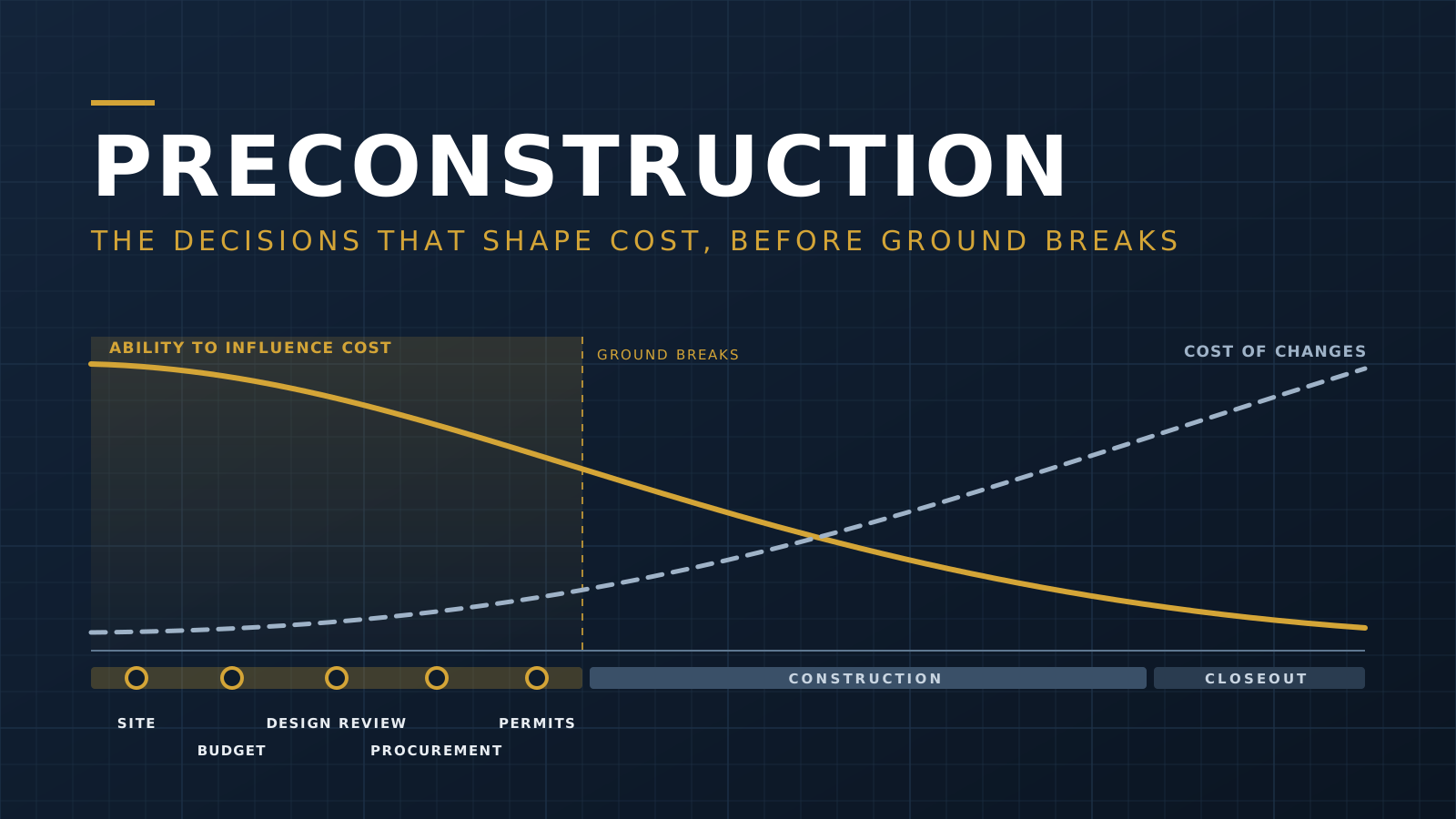
Design-bid-build gives you a hard number on bid day, but only for what is on the drawings. Anything missing or wrong becomes a change order, so the bid is a starting point, not a ceiling. Design-build holds the final number until the design is far enough along to price with confidence, often converting to a guaranteed maximum price once drawings mature. Owners trade an early number for a more reliable one.
Owner Control Over the Design
This is the strongest argument for design-bid-build. The owner selects the architect directly, the architect works only for the owner, and the design is complete before any builder has a say. Owners with a strong aesthetic vision or complex programming often value that independence.
Design-build owners maintain control through the program and approval process rather than a separate architect contract. A good design-build firm presents options, cost impacts, and tradeoffs at each design milestone and lets the owner decide. The difference is that cost and constructability are part of every conversation, not surprises that show up later.
When Design-Bid-Build Makes Sense
Design-bid-build fits best when the design is finished and stable, the owner has in-house expertise to manage two contracts, and schedule pressure is low. Public projects bound by low-bid procurement rules often have no other option. It also works well for owners who already have a trusted architect relationship and need a builder to price and execute a completed set of documents.
When Design-Build Is the Better Fit
Design-build earns its keep when speed matters, when the owner wants one accountable partner, or when the project carries enough unknowns that bringing construction expertise into design pays for itself. That describes a large share of private commercial work.
Design-Build for Franchise and QSR Projects
Franchise construction is an interesting case because the franchisor has already done much of the design through its prototype. What remains is site adaptation: grading, utilities, drive-thru stacking, local code requirements, and fitting the prototype onto a lot it was never drawn for. A design-build partner who knows the brand standards can resolve those site issues alongside civil design instead of discovering them after the drawings are bid. For franchisees opening multiple units, the efficiency of working with one team compounds across the portfolio.
Design-Build for Hotel Construction
Hotel projects carry brand approvals, FF&E coordination, and opening dates tied to franchise agreements and financing. A design-build approach lets the team release structure and MEP work. At the same time, brand-driven interior details are still being finalized, and value engineering stays within the design process, where changes cost the least. When a brand revises its standards mid-project, the owner has one party pricing and implementing the change.
Institutional and Industrial Projects
Industrial owners usually care most about getting a facility operational, and design-build lets process equipment, structural design, and utilities develop together rather than in sequence. Institutional owners subject to public procurement may be limited to design-bid-build or construction manager at risk, though many jurisdictions now authorize design-build for qualifying projects.
Progressive Design-Build and Other Middle Paths
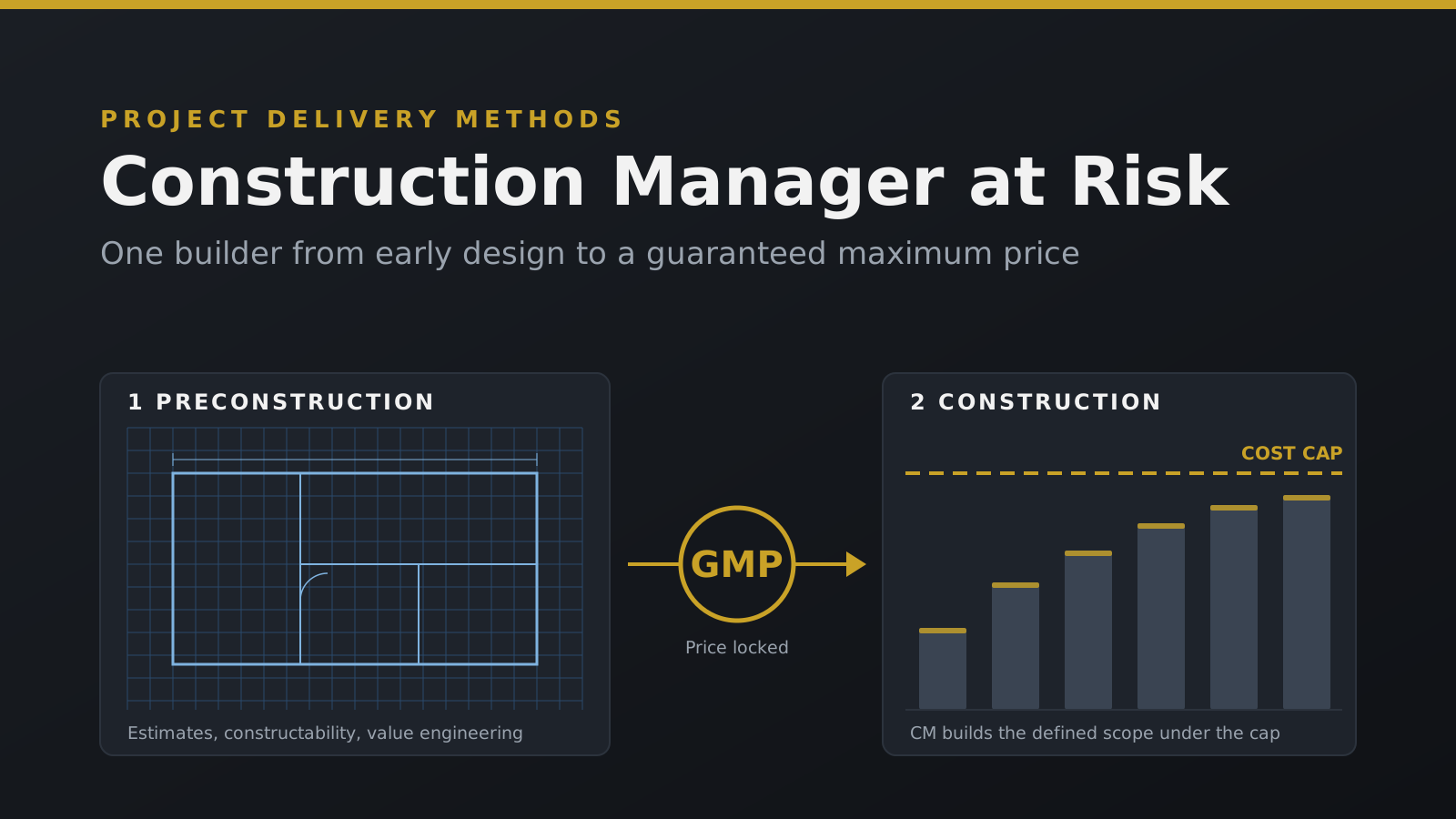
The choice is not strictly one or the other. Progressive design-build lets the owner select a design-build firm based on qualifications, develop the design together through an early phase, and agree on a price only once the scope is clear. If the price does not work, the owner can take the design and go elsewhere. Construction manager at risk also sits in between, keeping a separate architect while bringing the builder in during design to provide preconstruction services. Owners who want the architect independence of design-bid-build without its late-stage surprises often land here.
Questions to Ask Before Choosing a Delivery Method
Start with how settled your design really is. If you are still deciding on room count, square footage, or building systems, locking a design before a builder weighs in usually costs more than it saves. Next, consider your opening date and what a month of delay is worth in lost revenue and interest. Then be honest about your capacity to manage two contracts and resolve disputes between them. Finally, ask each candidate firm how it handles pricing transparency. A design-build firm that shares open-book costs and offers a guaranteed maximum price gives you much of the price discipline that draws owners to competitive bidding in the first place.
Choosing the Right Delivery Method With Stonehenge
At Stonehenge Construction Services, we offer design-build, commercial contracting, and construction management, so we have no reason to push you toward one method over another. We help hotel developers, franchise owners, and institutional and industrial clients weigh schedule, budget, and risk before finalizing a single drawing, then build the project in the way that best serves those goals. If you are planning a project and want a straight answer on which delivery method fits, book a consultation with our team.